
Understanding Casino Odds
The odds in a casino are the probabilities that dictate the outcomes of each game, and understanding these odds is crucial for anyone looking to increase their chances of winning. Each game has its own specific odds defined by the house edge, which is the advantage that the casino maintains over players. For instance, in games like roulette, the house edge varies depending on the type of bet placed, with single-number bets offering higher payouts but a lower chance of winning compared to outside bets like red or black. Players seeking to enhance their gaming experience might also explore online casino sister sites that offer similar games and bonuses, familiarizing yourself with these odds can help in making informed decisions during play.
Moreover, it’s essential to understand that casino games are designed to be entertaining, but they also ensure profitability for the establishment. This is reflected in the long-term averages that statistically favor the house. Players can improve their experience and possibly their outcomes by selecting games with a lower house edge, such as blackjack or video poker, where skill can also play a significant role in determining the outcome of each hand.
Ultimately, knowledge of the odds serves as a foundational element for any player seeking to mitigate losses and maximize enjoyment. By grasping how the house edge operates in various games, players can tailor their strategies to enhance their gaming approach, which is a step towards potentially beating the odds. However, luck remains a significant factor in any casino experience, making it essential to manage expectations accordingly.
The Role of Strategy in Games
While chance is a significant component of casino games, employing a strategic approach can make a notable difference in outcomes. Games like poker and blackjack are heavily reliant on skill, where understanding the rules, implementing betting strategies, and assessing the behavior of opponents can lead to better results. In blackjack, for instance, following basic strategy charts can reduce the house edge significantly. These charts guide players on when to hit, stand, double down, or split based on their hand and the dealer’s visible card.
In poker, strategy becomes even more critical, as it’s not just about the cards dealt but also about reading opponents and managing one’s chip stack effectively. Using techniques such as bluffing, calculating pot odds, and understanding positional play can enhance a player’s chances of success. These strategic elements elevate the game from mere luck to a complex interplay of skill and psychological warfare, making it possible for a skilled player to beat less experienced opponents consistently.
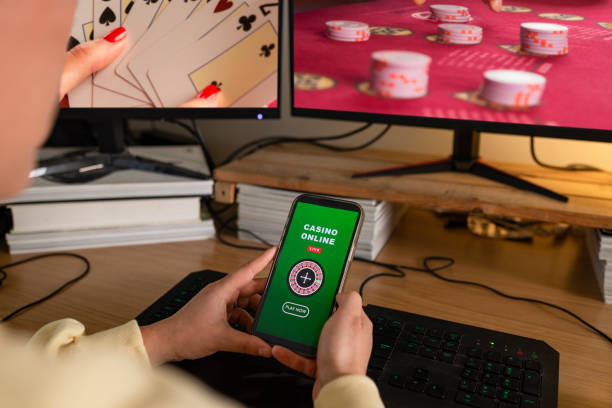
However, it’s important to note that even with the best strategies, there will still be times when luck does not favor you. Therefore, it’s advisable to maintain a balanced approach, blending strategy with a healthy understanding of the inherent risks involved. Remembering that not every hand will yield a positive result is crucial to maintaining a positive mindset while playing at casinos.
The Impact of Bankroll Management
Effective bankroll management is another critical factor in the quest to beat the odds in a casino. This involves not only determining how much money you’re willing to spend but also how to allocate those funds across various games and sessions. Setting a clear budget before entering the casino helps prevent overspending and promotes disciplined play. Many seasoned players recommend allocating a specific amount for each gaming session and sticking to that limit, regardless of wins or losses.
Another facet of bankroll management is understanding bet sizing. Players should consider their overall bankroll when deciding how much to wager on each game or hand. For instance, a common strategy is to wager only a small percentage of your total bankroll on a single bet, which can help prolong gameplay and minimize the risk of significant losses. This approach allows players to weather the ups and downs of gambling without risking their entire bankroll on one bad session.
Moreover, keeping track of wins and losses over time enables players to analyze their performance critically. By reviewing past sessions and identifying patterns in games played, players can adjust their strategies and betting limits accordingly. In this way, effective bankroll management can contribute significantly to the overall gaming experience and may provide a better chance at coming out ahead in the long run.
The Psychology of Gambling
Understanding the psychological aspect of gambling is essential for any player looking to beat the odds. The thrill of the game can sometimes cloud judgment, leading to impulsive decisions or chasing losses, which often results in unfavorable outcomes. Knowing how emotions like excitement and frustration can impact decision-making is crucial. Players should strive to remain calm and collected, treating each game as part of a larger experience rather than an isolated event where each outcome directly influences their overall success.

Furthermore, recognizing cognitive biases is equally important. Gamblers often fall prey to the ‘gambler’s fallacy,’ the mistaken belief that past results can influence future outcomes. For example, if a coin has landed on heads multiple times in a row, one might incorrectly assume that tails is “due” to occur. By understanding and acknowledging these biases, players can make more rational decisions and avoid falling into detrimental thought patterns that could lead to significant financial loss.
Additionally, setting realistic expectations about winning can help alleviate pressure and enhance enjoyment. Instead of viewing gambling as a guaranteed way to make money, players should approach it as entertainment, keeping in mind that losses are a part of the experience. This perspective allows for a healthier relationship with gambling, reducing stress and improving the overall experience of playing in a casino.
Making the Most of Your Casino Experience
To truly make the most of your time at a casino, it’s essential to approach gaming with both a strategic mindset and an understanding of the entertainment value. Casinos offer a variety of games designed to cater to different preferences; hence, selecting games that you find enjoyable will enhance your overall experience. Whether you favor table games, slot machines, or live dealer options, focusing on the fun aspect can improve your enjoyment and reduce stress.
Additionally, many casinos provide various promotions and loyalty programs that can lead to additional benefits. Taking advantage of these offers can extend your playtime and potentially provide extra incentives, such as complimentary drinks, meals, or even room upgrades. Being aware of the available benefits and maximizing them is a savvy approach to enhance your casino experience without incurring additional costs.
Ultimately, while beating the odds may not be a guaranteed outcome, having the right mindset and approach can greatly improve your experience in a casino setting. Whether it’s through strategic gameplay, disciplined bankroll management, or simply enjoying the ambiance, players can enrich their gambling experiences. Remember, the goal is to have fun, and with the right approach, every visit can be a memorable one.